

Small Business Cybersecurity: Build a Stronger Defense
One stolen password can interrupt your operations, expose customer information, and put hard-earned trust at risk. For a growing company, cybersecurity is not just an IT…

One stolen password can interrupt your operations, expose customer information, and put hard-earned trust at risk. For a growing company, cybersecurity is not just an IT concern; it is a business continuity priority.
Effective small business cybersecurity starts with practical controls that protect your people, devices, networks, and data. You do not need to buy every security product available. You need to understand your risks, close the most important gaps, and keep essential safeguards working.
Start With Your Most Important Assets
Before choosing tools, identify what your business cannot afford to lose. This might include customer records, payment information, email accounts, website access, or cloud-based business applications.
- List business devices, software, online accounts, and sensitive data.
- Identify who can access each critical system, including external providers.
- Assign someone responsibility for updates, access reviews, and security alerts.
- Remove unused accounts and replace unsupported software.
This basic inventory helps you prioritize spending and avoid blind spots. Review it whenever you introduce a new application, hire employees, or change service providers. Pay particular attention to systems connected to billing, customer service, and daily operations. If those systems stop working, knowing their owners and dependencies can make recovery decisions much faster.

Protect Accounts and Keep Devices Updated
Enable multifactor authentication on email, cloud storage, remote access, and administrator accounts. Where supported, choose phishing-resistant options such as passkeys or hardware security keys. Use a business password manager to create and store unique passwords instead of sharing credentials through email or chat.
Give employees only the access their roles require, and remove access promptly when they leave. Separate administrator accounts from everyday working accounts to reduce the impact of a compromised login.
Make Maintenance a Routine
Apply security updates to operating systems, browsers, business applications, and network equipment. Enable automatic updates where appropriate, while testing changes that could disrupt critical systems. Use endpoint protection and device encryption, and make sure someone reviews important alerts.
Secure Your Business Network
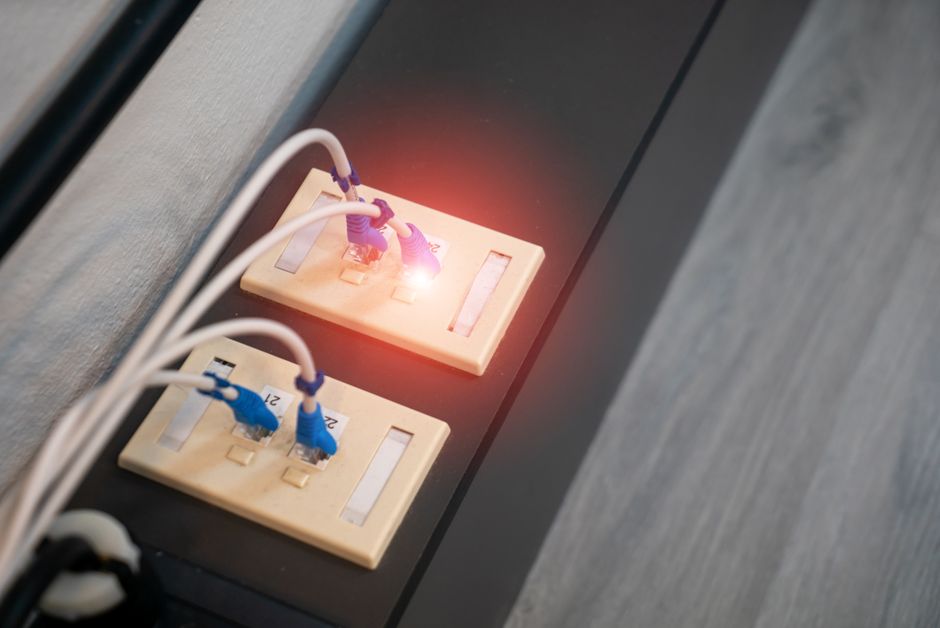
Your internet connection supports daily work, but connectivity alone does not provide security. Maintain your firewall, change default administrative credentials, and protect equipment management interfaces from unnecessary public access.
- Separate guest Wi-Fi from internal business systems.
- Use current Wi-Fi encryption supported by your equipment.
- Place connected cameras and similar devices on restricted network segments.
- Provide approved, securely configured remote access for off-site staff.
Network separation can limit how far an incident spreads. Document these settings so security does not depend on one person’s memory.
Prepare People and Test Your Backups
Employees should know how to recognize suspicious requests and report them quickly. Teach staff to verify payment changes through a trusted contact method, avoid unexpected login links, and flag unusual account activity. Encourage reporting without blame so mistakes are addressed early.
Maintain backups of essential business data, including cloud information where your provider’s recovery features do not meet your needs. Keep at least one backup isolated from everyday accounts or protected against alteration. Test restoration regularly: a successful backup notification does not prove your business can recover.
Build a Simple Incident Response Plan
Write down who makes decisions, who contacts your IT provider, and how employees should report a suspected incident. Include alternative communication channels and relevant legal or contractual notification requirements. Keep a copy accessible if your main systems are unavailable.
Review your small business cybersecurity measures regularly and after significant changes. Track meaningful improvements, such as multifactor authentication coverage, update status, and successful recovery tests.
Fera Solution brings cybersecurity, IT networking, connectivity, and digital solutions into the same conversation. Contact Fera Solution to discuss your current environment and identify practical next steps toward a more resilient business.
Want help with this for your own business? Talk to Fera Solution about Cyber Security, we’d love to help.