

Why Multi-Factor Authentication is Critical for Business Security
In today's digital landscape, relying solely on passwords to protect your business is like leaving your front door wide open. Cybercriminals have become increasingly sophisticated, capable…

In today’s digital landscape, relying solely on passwords to protect your business is like leaving your front door wide open. Cybercriminals have become increasingly sophisticated, capable of cracking weak passwords in seconds and exploiting human psychology through phishing attacks. The devastating truth is that 80% of data breaches involve stolen or weak credentials, making traditional password-only security virtually obsolete for modern enterprises.
Understanding Multi-Factor Authentication (MFA)
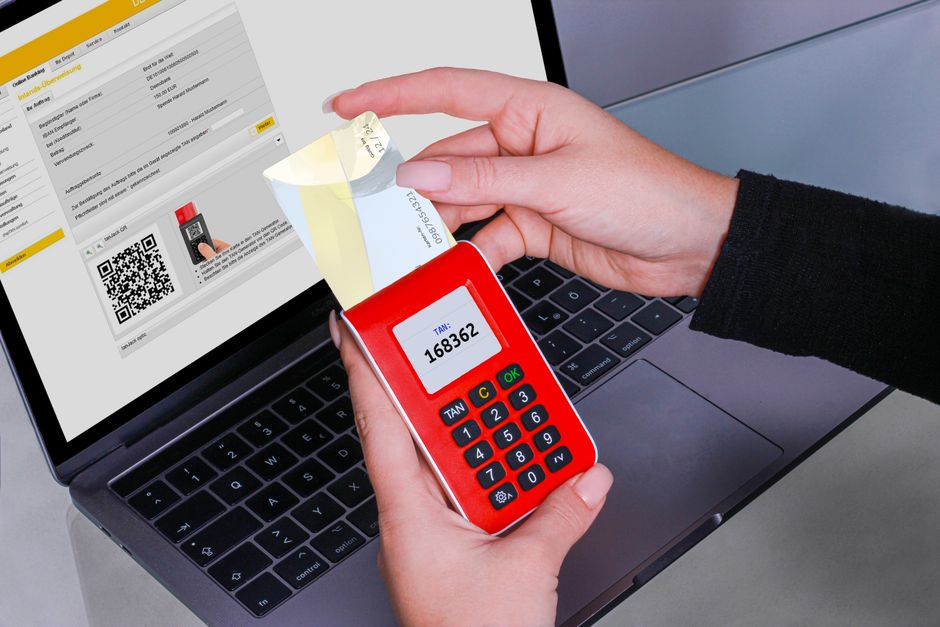
Multi-factor authentication adds an extra layer of security by requiring users to provide multiple forms of verification before accessing systems or data. This typically involves combining something you know (password), something you have (smartphone or security token), and something you are (biometric data). Unlike single-factor authentication, MFA creates a robust barrier that significantly reduces the risk of unauthorized access, even if passwords are compromised.
How MFA Works in Practice
When implemented correctly, MFA transforms your security posture by creating multiple hurdles for attackers. For instance, after entering a password, users might receive a push notification on their mobile device, scan a fingerprint, or enter a time-based one-time password (TOTP). This multi-layered approach means that even if a cybercriminal obtains your password through phishing or brute force attacks, they still cannot access your systems without the additional authentication factors.
- Significantly reduces account takeover risks
- Protects against phishing and credential stuffing attacks
- Enhances compliance with industry regulations
- Provides audit trails for security monitoring
Implementation Strategies for Maximum Effectiveness
Deploying MFA across your organization requires careful planning and user education. Start by identifying your most critical systems and applications, then gradually expand coverage. It’s crucial to choose user-friendly authentication methods to ensure adoption rates remain high. SMS-based codes, while better than nothing, are vulnerable to SIM swapping attacks, so consider app-based authenticators or hardware security keys for enhanced protection.
Best Practices for Successful Deployment
Effective MFA implementation goes beyond simply enabling the feature. Organizations should establish clear policies regarding when MFA is required, provide comprehensive training for employees, and create backup authentication methods for emergency access. Regular monitoring and updating of authentication protocols ensures continued effectiveness against evolving threats.
Measuring Success and ROI
The return on investment for MFA becomes evident quickly through reduced security incidents, lower insurance premiums, and decreased downtime from breaches. Organizations typically see a 99.9% reduction in account compromise risks after implementing MFA. Additionally, many regulatory frameworks now mandate multi-factor authentication for sensitive systems, making it not just a best practice but a compliance necessity.
As cyber threats continue to evolve, multi-factor authentication remains one of the most effective and cost-efficient security measures available to businesses of all sizes. By understanding its mechanisms, implementing it strategically, and maintaining ongoing vigilance, organizations can dramatically improve their cybersecurity resilience while building customer trust and regulatory compliance.
Want help with this for your own business? Talk to Fera Solution about Cyber Security, we’d love to help.